
Get your free Melbourne Electrician quote today!
Our team of Melbourne Electricians is here to help you with any questions or concerns you may have. We’re committed to providing you with the best possible service and support.
Did you know that pool pumps contribute to 18% of your household’s electricity bill? It’s hard to imagine that such a small device can use so much energy. Many homeowners don’t realise their pool pump is wasting energy until they receive an unusually high electricity bill.
Luckily, there are several ways to improve your pool pump’s energy efficiency. From choosing the right pump for your pool and investing in regular maintenance, you can significantly reduce your electricity usage while keeping your pool healthy, clean and ready to dive in all year round.
Signs Your Pool Pump Is Wasting Energy
- Your electricity bills keep rising
- You have an old single-speed pool pump
- Your pump runs for long periods of time without a timer
- The unit makes a loud grinding, humming or screeching noise when in use
- Your pool pump is between 8 - 10 years old
- You notice reduced water flow and poor pool circulation
Why Pool Pumps Use So Much Electricity
Typically, pool pumps use massive amounts of energy and power because they run at a constant, high speed regardless of how dirty your pool is. Whether the pump is circulating your pool water or doing some heavy-duty filtering, a standard pump operates at maximum capacity. This causes friction and resistance in your pipes, which increases your energy consumption and wears out your motor quicker.
How A Pool Pump Works
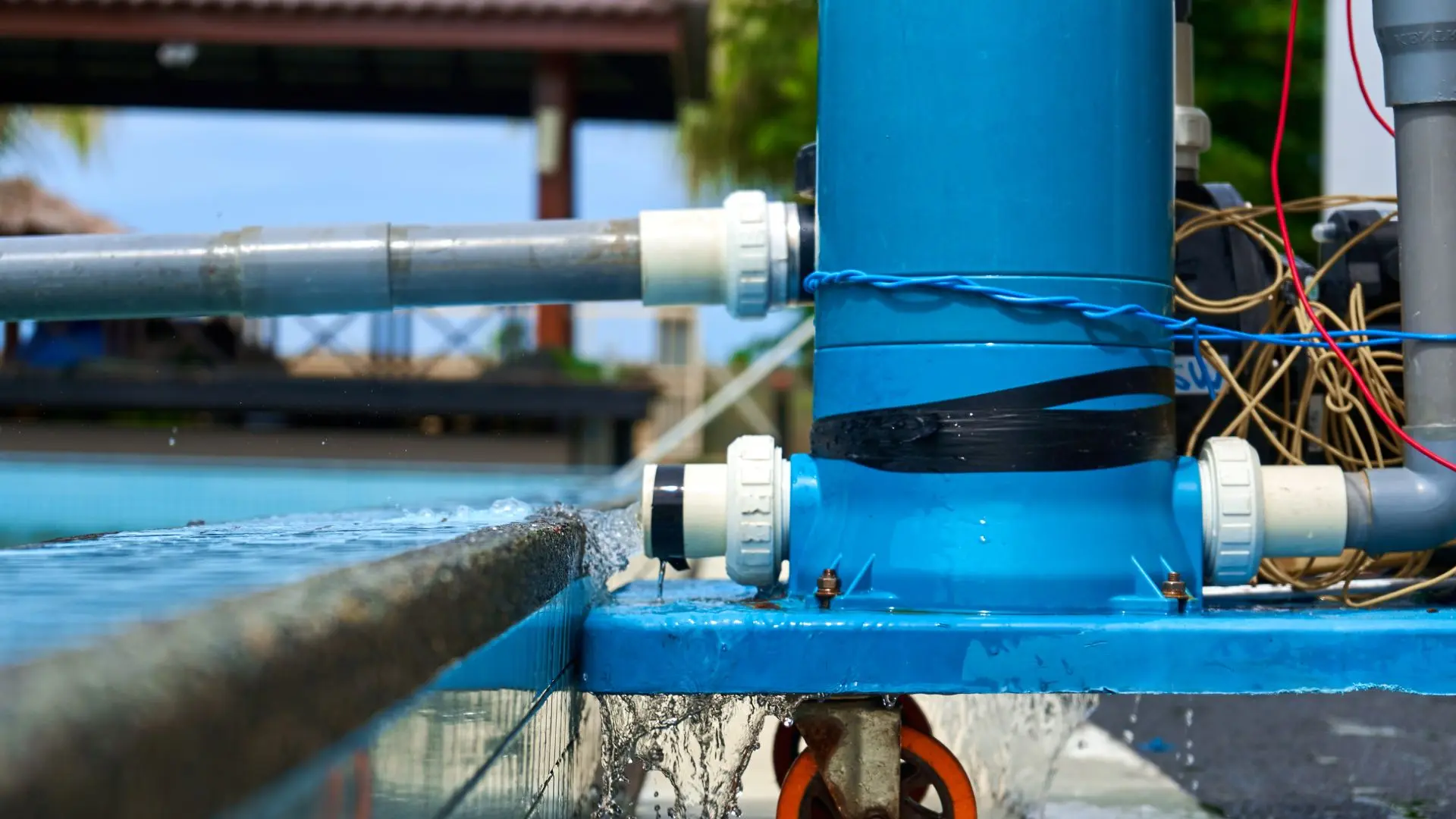
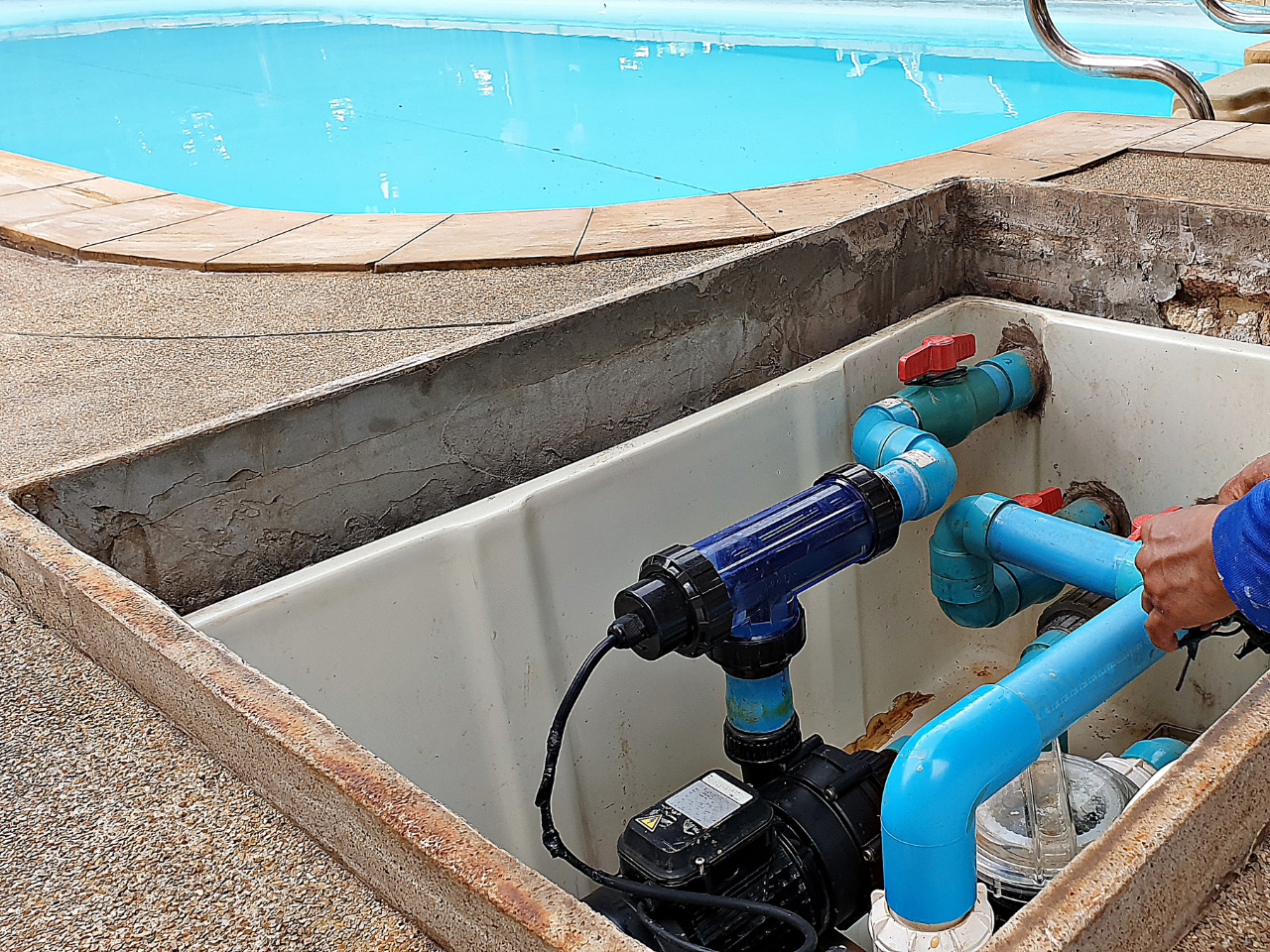
To help stop wasting energy, it helps to understand how your pump works. Pool pumps ensure that your pool’s water flows properly and passes through the filter to remove dirt, leaves and debris.
A pool pump has three main parts: the basket, the impeller and the motor. The process follows four basic steps:
Water Intake: The electric motor spins the impeller, which creates a vacuum that pulls water from the pool through the skimmer and into the basket.
Filtration Process: The pump pushes water under pressure through your pool filter to trap smaller debris.
Water Return: Clean and filtered water is pushed back through the jets into your pool.
Continuous Circulation: And the process repeats to keep the water moving, preventing stagnation.
Single Speed vs. Variable-Speed Pool Pumps
When diving into the world of pool pumps, you soon find out that there are two main types: single speed and variable speed.
As the name suggests, Single-speed pool pumps run at a single fixed speed. These pool pumps are among the cheapest on the market, have low upfront installation costs and come in a variety of different horsepower options. However, if you leave your single-speed pool pump on all the time, it’ll increase your energy bill, especially if you choose a horsepower that your pool doesn’t need.
Variable-speed pool pumps allow you to control the speed of the pump. Unlike single-speed and two-speed pumps, which have fixed speeds, variable-speed pumps don’t need to run at full power all of the time to keep your pool clean. Depending on how dirty your pool is and the time of year, you may have to increase or decrease the speed of your pump, but on average, you can save 80% of your electricity costs when you upgrade to a variable-speed pump.
Our Tips To Improve Pool Pump’s Energy Efficiency
Upgrade to a Variable-Speed Pool Pump
Replacing your old pump with a more environmentally friendly, variable-speed model is one of the fastest ways to reduce your running costs.
Clean Pool Filters Regularly
Clogged and blocked filters force your pump to work twice as hard to push water through, using more electricity. Clean your filters weekly to maintain smooth water flow.
Check for Leaks
Air and water leaks lower the pressure inside your pool’s plumbing infrastructure, forcing your pump to run for longer to clean the same amount of water.
Use a Pool Pump Timer
By using a pool pump timer, you can set your pump to run at certain times of the day. Many homeowners opt to set their timers overnight during off-peak times when the energy rates are lower.
Maintain Correct Water Chemistry
Keeping your pool chemicals balanced and tested regularly prevents algae and bacteria growth. Algae clogs up your filtration system, making your pump work harder.
Install a Pool Cover
A pool cover reduces evaporation and stops dirt, sticks and leaves from getting into your clean water.
Schedule Regular Servicing
Having one of our licensed electricians check your pool pump’s electrical connections and the health of your motor makes sure it’s running safely and at peak efficiency.
Speak to Our Experts
Thinking it might be time to ditch your power-hungry old pump? You’re not alone and you don’t have to go it alone either.
At WP Electrical, we specialise in efficient, reliable pool pump upgrades tailored to your pool and your power bill. Our licensed technicians can help you choose the perfect system and take care of the installation from start to finish.
We’ll assess your current setup, guide you through your options, and handle everything with care and professionalism. No pushy sales, just honest advice and quality service.
Want to find out how much you could save? Reach out today for a no-obligation quote or consultation. Let’s make your pool smarter, greener, and more cost-effective.
Published by: 17 October 2025